Sustainable Sleep: Practical Eco-Friendly Tips for a Cleaner, Comfier Bedroom
In a world hungry for fast fixes and disposable goods, the bedroom remains a quiet frontier where sustainability, comfort, and health intersect. This article explores actionable steps to make your sanctuary more eco-friendly without sacrificing the warmth and coziness that define a good night’s sleep. We’ll examine materials, certifications, routines, and a handful of voices from history who remind us that comfort and conscience can—indeed should—coexist.
Why Sustainable Sleep Matters
The quality of sleep is inseparable from the ecology of the materials surrounding us. Fabrics and fills that enter our bedding—whether organic cotton, linen, or wool—aren’t just choices about texture and warmth; they are statements about health, labor, and the planet. When we prioritize sustainability, we minimize exposure to chemicals, reduce water and pesticide use, and support humane labor practices. The mattress on which we drift off to dreamland becomes not just a personal refuge but a small act of stewardship.
The premise is simple: choose high-quality, responsibly sourced textiles that endure. Buy fewer things, but better things. Fix what you own. Extend the life of your duvet cover, sheet set, and pillow by treating them as long-term investments.
Guiding Principles: Materials, Certifications, and Longevity
The backbone of sustainable sleep rests on three pillars: the materials themselves, the certifications that verify responsible practices, and the habit of longevity. Here’s how to navigate each.
- Organic cotton, linen, and wool remain staples for a reason. Organic cotton, for instance, is grown without synthetic pesticides, reducing chemical exposure and supporting healthier soils. Linen, derived from flax, offers durable comfort and excellent temperature regulation. Wool provides natural insulation and moisture-wicking properties without the need for chemical flame retardants.
- Look for GOTS (Global Organic Textile Standard) certification on fabrics like cotton and linen. OEKO-TEX certification signals that textiles have been tested for harmful substances. For down and wool fills, certifications like the Responsible Down Standard (RDS) help ensure animal welfare standards. These badges are not mere labels; they map a chain of custody from farm to finish, giving you confidence that your sleep contributes to healthier ecosystems and fair labor practices.
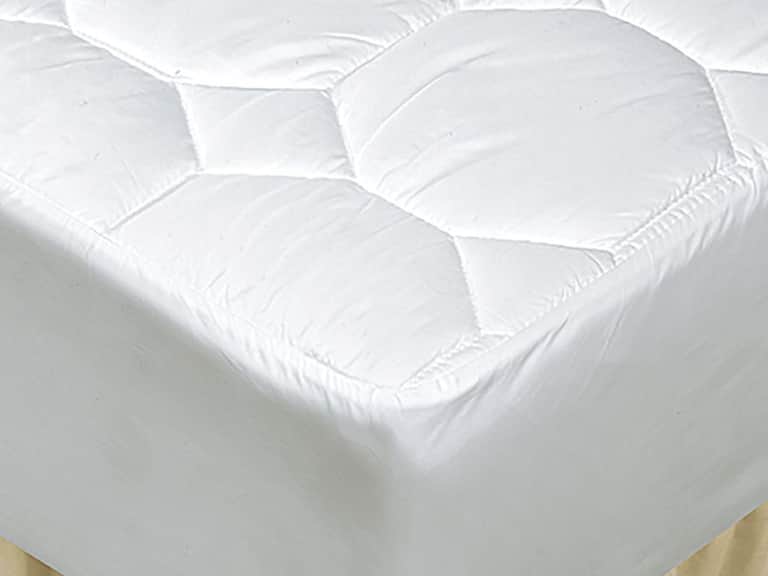
- A durable duvet, a well-constructed mattress protector, and washable, repairable textiles reduce waste. Opt for pieces that can be repaired rather than discarded. Maintain the gear you own with proper care, and embrace gentle washing guidelines that extend the life of fabric fibers.
Choosing Eco-Friendly Bedding: A Practical Compass
A sustainable sleep experience begins with selecting the right bedding. The aim is to balance comfort, health, and environmental impact. Below is a practical guide to common materials and what to look for when shopping.
Organic Cotton: Breathable, Gentle, and Durable
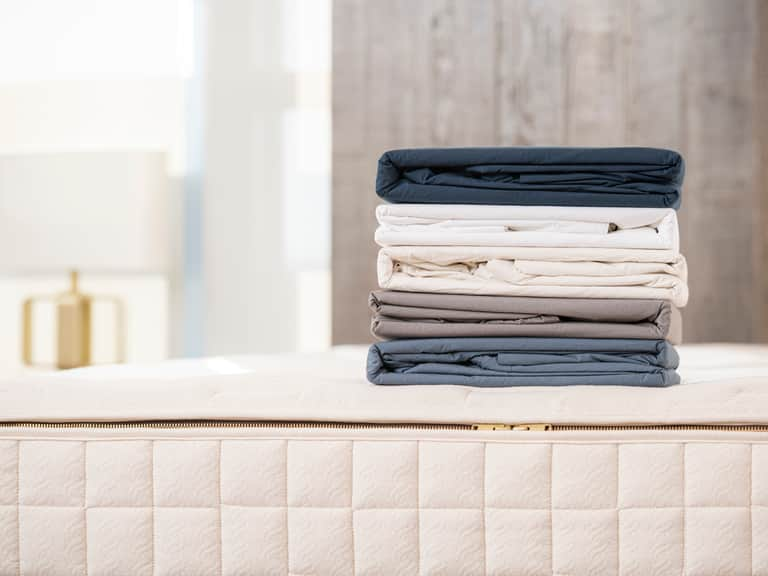
Organic cotton sheets and duvet covers are a reliable starting point for sustainable sleep. Their cultivation avoids synthetic pesticides, reduces chemical load in your laundry, and supports soil health. A high thread count isn’t the sole indicator of quality; the weave and pre-wash treatment influence softness and longevity. For example, organic cotton percale provides a crisp, hotel-like feel with excellent breathability, while organic cotton sateen offers a smoother, more opulent finish.
Linen: Year-Round Comfort with Natural Breathability
Linen’s flax fibers excel at temperature regulation and moisture management. It tends to be cooler in the summer and warmer in the winter, which helps reduce night sweats and hot flashes for many sleepers. Stone-washed finishes can enhance softness over time. Linen bedding often carries Oeko-Tex and GOTS certifications to verify low chemical impact and ethical processing.
Wool: Insulation Without the Weight
Wool is a remarkable insulator that can wick moisture while staying breathable. It shrugs off dust mites and can be machine-washed in many cases with careful care. Wool-filled comforters often carry certifications for organic wool and cruelty-free sourcing, aligning sleep comfort with ecological stewardship.
Down and Alternatives: Sourcing with Integrity
If you prefer down, seek products with responsibly sourced feathers and certifications such as the Responsible Down Standard. For those avoiding animal products, vegan down alternatives and high-quality wool or cotton fillings offer comparable warmth without compromising ethics.
A thoughtful combination of materials can deliver the best of both worlds. For instance, pairing a crisp organic cotton percale sheet set with a wool comforter under a linen duvet cover can yield a climate-friendly, comfortable sleeping environment.
A Time-Traveling Perspective: Three Key Figures on Comfort, Cleanliness, and Moral Responsibility
Across eras, thinkers and designers have observed the intimate link between daily life, health, and the environment.
Hypatia of Alexandria (circa 370–415 CE)
A pioneer of learning, Hypatia’s era reminds us that careful inquiry into the natural world leads to better living. In our context, her legacy mirrors the discipline of evaluating materials and their sources. The idea is not to hoard knowledge but to apply rigorous thinking to what touches our skin and our households—choosing fabrics and processes that respect health and longevity.
Bertrand Russell (1872–1970)
The philosopher-scientist who urged clear thinking about logic and ethics offers a framework for evaluating the trade-offs of consumer choices. In sustainable sleep, Russell’s spirit appears as a reminder to weigh comfort against environmental cost, and to prefer well-reasoned options—certified textiles, transparent supply chains, and durable goods over quick fixes.
Jane Goodall (born 1934)
A champion of compassionate stewardship, Goodall’s work highlights the interconnectedness of ecosystems and human health. In bedding, that translates to sourcing materials with humane farming practices and ecological stewardship, ensuring that comfort at night does not come at the expense of living beings or habitats.
Practical Routines: Reducing Waste and Energy in the Bedroom
Sustainable sleep is not only about what you buy but what you do with what you own. Small, repeatable habits compound over time, shrinking your footprint while enhancing your nightly rest.
- Use a duvet cover to protect the insert and extend its life. Wash on gentle cycles with non-toxic detergents. Air-dry when possible to reduce energy use.
- Before discarding, consider repairing or upcycling. Old textiles can become cleaning rags, packing material, or decorative canvases. A well-kept textile has a longer life and reduces waste.
- If you replace a duvet or pillow, look for recycling or donation paths. Some brands support take-back programs or responsible recycling networks for textile waste.
- Run full loads, wash in cooler water when appropriate, and air-dry when feasible. Modern fabrics are designed to withstand lower temperatures without compromising cleanliness.
- Keep your thermostat modestly lower in winter and higher in summer when you’re not under covers. Pair layering with breathable textiles to maintain comfort without overreliance on climate control.
A Curated Shopping List: Real-World Picks
Real people need real gear. The following product example from a responsible bedding line illustrates how a single item can embody the principles discussed:
Healthy Choice Organic Wool Pillow (Pillow)
A wool-filled pillow with GOTS-certified organic wool batt and a GOTS-certified organic cotton sateen cover. Anti-microbial, hypoallergenic, and suitable for year-round comfort.
Price: $159.00
Certified: GOTS, OEKO-TEX
View product
Naturepedic Organic Cotton Percale Sheet Sets
300-thread-count organic cotton percale with a crisp, hotel-quality feel. GOTS-certified, designed for warm sleepers, with a durable, breathable weave.
Price: $209.00
Certified: GOTS, OEKO-TEX
View product
Note: Images are representative of the product and its materials. Availability and exact finishes may vary by season and region.
Bringing It All Home: A Clean, Comfortable, and Conscious Bedroom
The pursuit of sustainable sleep is not a fashion trend but a practice of attention: to materials, to labor, and to the end of a textile’s life. It means choosing products that honor the workers who weave, spin, and sew, and choosing fibers that minimize ecological disruption while maximizing comfort. It also means acknowledging that the best sleep is the sleep you can sustain—season after season, year after year.
In the spirit of timeless design and modern responsibility, this approach invites households to curate a bedroom that feels both luxurious and principled. The room becomes a living manifesto: clean air, natural fibers, and a schedule of care that honors the body and the planet.
Published: August 5, 2026