Choosing a Non-Toxic, Sleep-Boosting Duvet Cover: A Practical Guide to Safe Fabrics
In the curated world of bed linens, the duvet cover is not merely a protective shell; it is the first kiss of a night’s sleep. The right fabric can breathe with you, regulate temperature, and cradle you in toxin-free luxury. This guide dives into the fabric alphabet—organic cotton, cotton sateen, percale, and the certifications that separate conscious choices from well-meaning myths. We’ll explore how brands approach safety and comfort, with actionable tips to maintain softness and longevity without chemical additives.
The Materials: Breathability, Temperature, and Texture
When we speak of duvet covers that support a healthy sleep environment, we’re really talking about three core attributes: breathability, moisture management, and feel against the skin. Each fabric brings its own signature to the bed.
- : The gold standard for safety, organic cotton grows without synthetic pesticides or fertilizers, reducing chemical load. It often yields a clean, soft hand that deepens with each wash. A duvet cover in organic cotton serves as a reliable base layer for a toxin-free sleep sanctuary.
- Cotton percale: Percale is a plain-weave fabric that feels crisp, cool, and light. It promotes airflow and a refreshing touch, making it ideal for warm sleepers or hot climates. Look for percale with a higher thread count that remains breathable rather than becoming heavy.
- Cotton sateen: Sateen offers a smoother, more lustrous surface due to its satin-like weave. It tends to drape softly and can feel warmer than percale. For those seeking a luxurious feel without sacrificing safety, organic cotton sateen is a compelling option when derived from certified organic fibers.
Certifications That Matter: GOTS, MADE SAFE, and Beyond
Certifications act as trust signals in a landscape where textiles touch our skin for hours each night. They help you verify that what you’re purchasing aligns with non-toxic, eco-conscious standards.
- GOTS (Global Organic Textile Standard): The gold standard for organic textiles, covering fiber, processing, manufacturing, packaging, labeling, exportation, and distribution. A GOTS-certified duvet cover typically ensures organic fibers and minimized chemical use throughout the supply chain.
- MADE SAFE: Focused on eliminating toxic substances and ensuring consumer safety, MADE SAFE certification provides another layer of assurance that a product has been vetted for safety in everyday use.
- Other indicators: Look for OEKO-TEX Standard 100 or similar safety marks, which verify low levels of harmful substances. Certification alone isn’t a guarantee of quality, but it is a reliable compass when evaluating options.
Practical tip: read the fine print. Certifications should be tied to the product’s materials and manufacturing processes. Some brands may carry a general certification for a fabric blend but not for the finished duvet cover, so confirm that the certification applies to the duvet cover itself.
A Practical Comparison: Organic Cotton vs. Sateen vs. Percale in Real-Life Conditions
For many readers, the choice between organic cotton, sateen, and percale boils down to climate, skin sensitivity, and sleep habits. Here’s a concise, practical lens.
- : All-around safe, versatile, and comfortable across seasons. For a balanced experience, seek a blend that prioritizes purity and minimal chemical treatments. Organic cotton serves as a reliable anchor in a non-toxic sleep routine.
- : If you sleep hot or prefer a crisper feel, percale can be ideal. It’s breathable and tends to stay airy, promoting a cooler night’s sleep. For sensitive skin, a high-quality organic cotton percale reduces irritants while delivering a clean surface.
- : If you crave a luxurious touch and a smoother hand, organic cotton sateen can deliver. Be mindful of warmth: sateen can feel slightly warmer, so pairing it with a breathable fill and an appropriate climate is key for comfort without overheating.
The Vogue-like sensibility here is that texture and scent should feel effortless—the fabric should invite you to unwind. When choosing, you’re not just selecting a cover; you’re curating an aura for your bedroom environment.
Care Rules That Preserve Softness and Safety
The longevity of non-toxic duvet covers hinges on careful care. Washing, drying, and storage decisions all impact softness, color integrity, and fabric performance.
- Water temperature: For most organic cotton duvet covers, washing in warm or cool water is sufficient. Hot water can strip away some of the natural softness and, in rare cases, affect dyes or finishes. Always follow the label’s guidance.
- Detergent choice: Use a mild, fragrance-free detergent free of optical brighteners, dyes, and harsh surfactants. Excessive suds and heavy detergents can leave residues that affect breathability and skin comfort.
- Drying method: Line dry when possible or tumble dry on low. Remove promptly to minimize wrinkles and maintain a fresh, crisp surface. Oversized or high-heat drying can tighten fibers, reducing softness over time.
- Avoid fabric softeners: They can build up on fibers, reducing breathability and feel. If you must, opt for a minimal, eco-friendly option and only occasionally.
- Storage: Store duvet covers in a cool, dry place to prevent musty odors and fabric degradation. A breathable garment bag or cotton storage bag helps maintain freshness.
Brand Benchmarks: What to Look For in Trusted Bedding Partners
In the realm of duvet covers, certain brands have carved a reputation for translating luxury into responsible manufacturing. When evaluating options, consider:
- Material provenance: Where do the fibers originate, and what steps are taken to ensure organic farming practices?
- Weave and construction: A robust weave and careful finishing reduce pilling, maintain fit inside duvets, and extend the life of the cover.
- Care labeling: Clear care instructions reflect a brand’s transparency about maintenance, safety, and longevity.
- Ethical standards: Beyond certifications, look for brands that demonstrate ethical labor practices and responsible sourcing.
Vogue-inspired guidance here is to seek a balance between tactile opulence and environmental responsibility. The modern bedroom deserves sheets, cushions, and yes—duvet covers—that feel indulgent without compromising health or the planet.
Spotlight: Real-World Examples from The Clean Bedroom’s Offerings
Within The Clean Bedroom’s curated assortment, fabrics and finishes echo the principles outlined here. A duvet cover from a trusted line is more than a cover—it is a statement of care that echoes through a room and a night’s sleep.
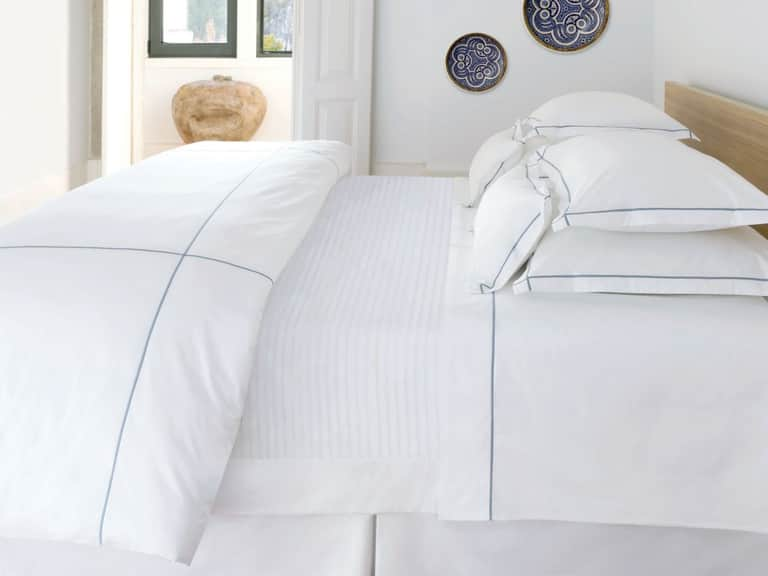
For readers seeking a concrete example that aligns with non-toxic, breathable fabrics, a duvet cover in organic cotton percale or organic cotton sateen, certified by GOTS, offers a tangible, fashion-forward option without compromising safety. The brand’s attention to certification, fabric integrity, and sleep-ready textures mirrors the editorial standards of Vogue—where luxury is inseparable from responsibility.
Maintenance Tips: Maintaining Softness Without Chemicals
Keeping duvet covers soft and safe over time doesn’t require a chemistry set. It requires consistency in care and a mindful approach to laundering.
- Wash on a gentle cycle with mild, fragrance-free detergent.
- Avoid fabric softeners that can leave residues; when used, do so sparingly.
- Air dry whenever possible, or tumble dry on low heat to preserve fibers.
- Inspect closures and threads, addressing loose buttons or seams promptly to prevent snags during washes.
The goal is a fabric that feels fresh and breathable—every night, a reminder that luxury can be both indulgent and safe.
Conclusion: A Non-Toxic Window into Sleep-Boosting Comfort
The duvet cover is more than an accessory; it is a guardian of serenity, a steward of peaceful sleep, and a conduit for a toxin-free environment. When you choose organic cotton, align with credible certifications like GOTS and MADE SAFE, and commit to mindful care, you’re inviting a healthier night’s rest into your home.
In a Vogue-worthy bedroom, textures weave a quiet narrative of wellbeing. Breathable fabrics, minimal chemical exposure, and transparent manufacturing practices converge to create a space where beauty and safety walk hand in hand. Here, you don’t simply sleep—you luxuriate in the calm confidence of a non-toxic, sleep-boosting duvet cover.
Product Spotlight (Representative Selections That Align with the Theme)
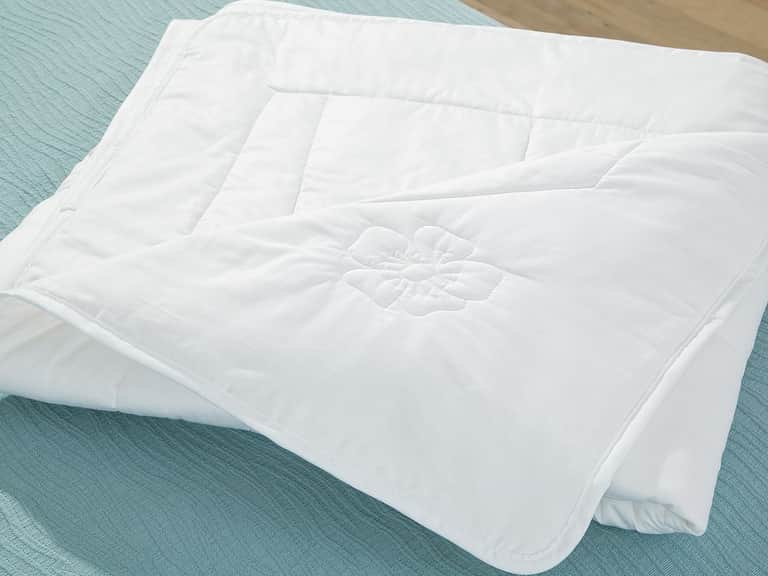
DownTown Company Summer Linen Summer Comforter
Note: This item is a comforter, not a duvet cover. Included here as a texture reference for breathability and temperature regulation in bedding ensembles.
A breathable cotton-linen blend fill supports moisture management, while a cotton sateen cover with an Aloe Vera finish contributes softness. Lightweight yet insulating, it embodies year-round comfort for warm sleepers.
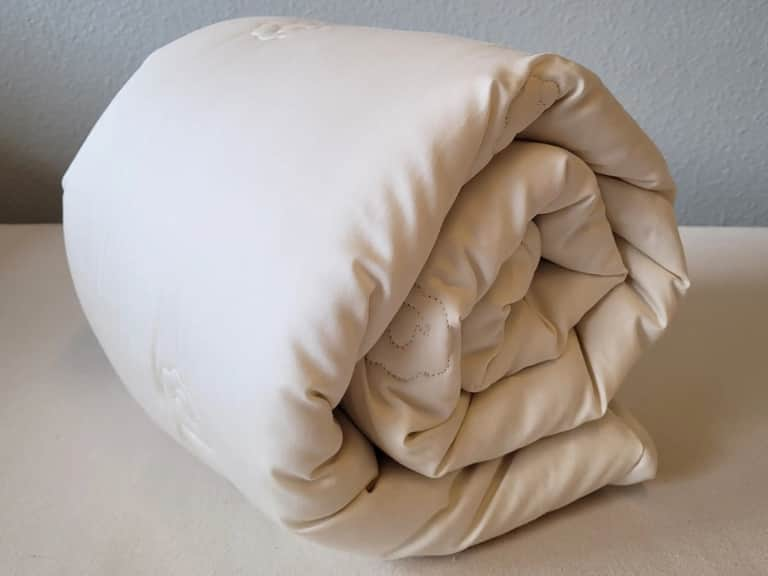
Certified Organic Wool Toddler Comforter
GOTS-certified wool encased in organic cotton sateen, quilted for even loft. While designed as a comforter, it exemplifies the safety and natural warmth ethos that informs non-toxic textiles.
This example underscores how natural materials and certified organic construction can influence broader bedding choices, including duvet covers crafted from similarly safe fibers.